VAPT findings prioritized
How are VAPT findings prioritized? Organizations often discover multiple security weaknesses during a security assessment, but not every vulnerability creates the same level of risk. Some issues may have limited impact, while others could allow attackers to gain unauthorized access, steal sensitive information, or disrupt critical business operations. Prioritizing findings helps organizations focus their resources on addressing the most serious security risks first and ensures that remediation efforts deliver maximum protection.
The prioritization process begins by evaluating the severity of each identified vulnerability. Security professionals analyze factors such as the potential impact, ease of exploitation, affected systems, and likelihood of an attack. Vulnerabilities that could cause significant damage and are easier for attackers to exploit are usually treated as higher priority. This approach helps businesses understand which security issues require immediate attention and which ones can be handled through longer-term improvements.
A vulnerability assessment & penetration test provides detailed information about security weaknesses and helps organizations understand the practical risks associated with each finding. Instead of simply listing vulnerabilities, the assessment evaluates how those weaknesses could affect business operations. This allows security teams to create a structured remediation plan based on actual risk rather than addressing issues randomly.
The impact of a vulnerability is one of the most important factors considered during prioritization. Security teams evaluate what could happen if an attacker successfully exploits a weakness. Issues that may lead to data exposure, system compromise, financial loss, or operational disruption generally receive higher priority. Vulnerabilities with minimal business impact may be scheduled for future remediation depending on available resources and security goals.
Exploitability is another key factor used to rank findings. A vulnerability that can be easily exploited using publicly available tools or techniques presents a greater immediate threat. Security professionals consider whether attackers require advanced skills, special access, or specific conditions to take advantage of an issue. Vulnerabilities that are simple to exploit are often prioritized because they represent a higher likelihood of successful attacks.
The importance of the affected asset also influences prioritization. Not all systems within an organization have the same value or sensitivity. A vulnerability affecting a critical server, customer-facing application, payment system, or database containing sensitive information may require faster action than an issue found in a less important system. Organizations typically focus first on protecting assets that are essential to business operations.
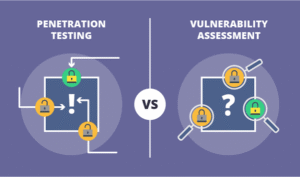
How are VAPT findings prioritized?
Risk scoring systems are commonly used to support the prioritization process. Many security teams use standardized scoring methods that consider severity, exploitability, and potential impact. These scoring systems provide a consistent way to compare different vulnerabilities and determine which issues should be addressed first. Risk ratings such as critical, high, medium, and low help organizations organize their remediation efforts effectively.
The presence of active threats can also change the priority of a vulnerability. If attackers are actively exploiting a specific weakness in the wild, organizations may need to address it immediately. Security teams monitor threat intelligence information and consider current attack trends when deciding which findings require urgent action. This helps businesses respond quickly to emerging risks.
Compliance requirements and business objectives may also affect how findings are prioritized. Some vulnerabilities may need immediate attention because they could result in violations of industry regulations or security standards. Organizations operating in regulated sectors often consider compliance obligations when creating remediation timelines. Addressing these risks helps maintain regulatory readiness and reduces potential penalties.
The accuracy of prioritization also depends on proper validation of findings. Security professionals review identified vulnerabilities to confirm their existence and understand their actual impact. False positives or incorrectly classified issues can waste resources and distract teams from more important security concerns. Careful analysis ensures that remediation efforts are focused on genuine risks.
After prioritizing findings, organizations usually create a remediation plan that assigns responsibilities, deadlines, and required actions. Critical vulnerabilities may require immediate fixes, while lower-risk issues can be addressed during scheduled maintenance cycles. This structured approach helps security teams manage vulnerabilities efficiently and track progress over time.
Regular reassessment is also important because security risks can change. New vulnerabilities may appear, business priorities may shift, and attackers may develop new methods of exploitation. Organizations should continuously review their security posture and update their priorities based on changing conditions. A vulnerability assessment & penetration test provides valuable insights that support ongoing improvement and help businesses maintain stronger defenses.
Effective prioritization of VAPT findings allows organizations to reduce security risks while making better use of available resources. By considering factors such as severity, exploitability, asset importance, business impact, and threat activity, security teams can focus on the vulnerabilities that matter most. This risk-based approach helps businesses strengthen their security posture, prevent potential attacks, and create a more resilient digital environment.